Color Correctors
Everything You Need To Know About This Make-Up Essential
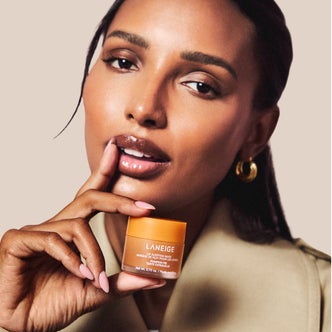
Laneige
What is a Color Corrector?
From sunspots and scars to irritation and hyperpigmentation, a lot of things can contribute to an uneven complexion. And while you could layer on the best foundations and concealers until you achieve a flaw-free finish, that’s a risky move that might result in cake face. Plus, there’s a much more effective solution out there: Color correctors.
Color correctors are a type of skincare product that’s used to disguise discolorations caused by all of the things we mentioned before (sunspots, scars, dark circles, etc.). Color correctors work by applying a pigment to your skin that opposes the color of the flaw you’re trying to conceal — for example, orange or peach color correctors are often used to combat the bluish hues of undereye circles. Using a color corrector before you apply makeup results in a more even finish in tone, and as an added benefit, many of these products include antioxidant-rich ingredients that nourish your skin.
So, consider us your color corrector guide, because in addition to sharing the effectiveness of these products, we’re here to give you a headstart on your search for the perfect one.
Differences Between Color Corrector and Concealer
Think of makeup as a construction project: Color corrector is the specialized primer used to treat specific "structural" issues (like rust or stains), while concealer is the high-quality paint that makes everything look like a seamless, uniform wall. Here’s the breakdown of how they differ in purpose, pigment, and application.
The color corrector uses color theory to neutralize discoloration. Instead of just covering a spot, it "cancels" it out by using the opposite color on the color wheel. On the other hand, concealers use flesh-toned pigments to hide imperfections and blend them into the rest of your skin. It’s meant to match your skin tone exactly (or go 1–2 shades lighter for brightening).
Another difference between color correctors and concealers is the texture. Correctors usually have a thinner, more emollient texture. It isn't meant to be "seen," so it’s often sheerer. If you apply too much, you’ll end up with a green or orange tint under your foundation. Concealers are usually thicker and more opaque. They are designed to provide "coverage", meaning it physically blocks the view of the skin underneath.
You need a good concealer if you have minor blemishes, light circles, or just want to brighten up certain areas of your face. You need a color corrector if your dark circles are so deep they look "ashy" or grey under normal concealer, or if you have intense redness that a regular foundation can't hide.
Pro Tip: Less is more with color corrector. Use the tiniest amount possible, or you'll find yourself struggling to hide the corrector itself!
Types of Color Corrector
Green
Best for: Redness.
Use case: It is the "go-to" for angry red pimples, rosacea, broken capillaries, or general flushed skin around the nose and cheeks.
Tip: Green can easily turn "ashy" if you use too much. Use a tiny amount only on the red spot, then tap your skin-toned concealer over it.
Peach, Orange, and Red
Best for: Blue/purple darkness and hyperpigmentation.
How to choose: These all do the same thing, but you choose the intensity based on your skin tone:
Peach/Salmon: For light to medium skin tones (hides blue under-eye circles).
Orange: For medium to deep skin tones (cancels out darker shadows).
Red: For very deep skin tones (neutralizes intense hyperpigmentation).
Yellow
Best for: Purple/blue tones and dullness.
Yellow is excellent for covering purple-toned bruises or very purple under-eye veins. It is also great for brightening a "drab" or tired-looking complexion, especially on olive or tan skin.
Purple (Lavender)
Best for: Yellow tones.
If your skin looks a bit "yellowish" or sickly (common when you're tired or have a cold), purple cancels that out. It adds a healthy, bright glow back to the skin.
Pink
Best for: Brightening fair skin.
Think of pink as a "highlighting" corrector. It’s used to brighten the eye area on very fair skin where the color peach might look too dark or orange. It also helps mask signs of fatigue.
Blue
Best for: Orange tones and "fake tan" disasters.
If your foundation looks too orange or your self-tanner left streaks, blue is the fix. It’s also used to neutralize sallowness in very deep skin tones.
Color Correctors for Darker Skin Tones
First of all, look for high pigment saturation. For darker skin, you need highly saturated, "burnt" tones rather than soft tints. In that sense, the following substitutions are valid:
Instead of Peach: Look for Deep Orange, Copper, or Terracotta.
Instead of Mint Green: Look for a Deep Forest Green or an Olive tone.
Instead of Lavender: Look for a Deep Plum or Amethyst (if you are trying to brighten dullness).
Color correction is about balancing the intensity of the mark with the intensity of the pigment.
Hyperpigmentation/Dark Spots: If your spots are very dark or almost black, a light orange will just turn them grey. You need a vivid red or similar.
Under-eyes: If your under-eye area has a cool, greyish cast, a deep Orange is your best friend.
Color corrector FAQs
How to Use a Color Corrector? (Before or After Foundation)
This is where most people get tripped up. The standard routine follows this flow:
- Color Corrector: Apply only to the specific spot (e.g., just the dark part of the eye circle).
- Foundation (Optional): To even out the base.
- Concealer: Applied over the corrector to bring the area back to your natural skin tone.
- Setting Powder: To lock both layers in place.
How to Use Color Correctors to Cover Up a Tattoo?
Use a good corrector in the colors orange or red.
Why: Almost all tattoo ink (even black) has a blue or green base. To stop the "shadow" of the tattoo from showing through your foundation, you must neutralize it with a warm tone.
The Process:
- Apply a layer of Orange/Red corrector over the ink.
- Set it with a puff and translucent powder (this "locks" the orange so it doesn't mix with your concealer).
- Apply a high-coverage foundation or stage concealer over the top.
Best Color Correctors for Dark Skin Tones
When you're a woman with melanin, minor injuries, breakouts, and the occasional pimple, all have the potential to leave your skin with scars—more commonly known as hyperpigmentation. Hyperpigmentation is a common, non-harmless skin condition that occurs when an excess of melanin forms deposits in the skin, and it's seen most often in people of color. Although it can be annoying, hyperpigmentation is nothing to be ashamed of, and there are a ton of brightening skincare products on the market specifically formulated to reduce the condition's appearance over time.
All that said, there's nothing wrong with wanting an immediate solution, and for that, there are color correctors. Color correctors are concealer-like formulas that come in practically every color of the rainbow and can help neutralize the appearance of hyperpigmentation and scarring, leading to smoother makeup application and an even skin tone overall. We're talking all-day, crease-free formulas that diffuse imperfections and offer serious staying power.
All products and deals are sourced by the Rank & Style team using data and expert insights. If you shop through our links, we may earn a commission—at no extra cost to you.
Authors

Allison Wall is a Senior Deals Editor at Rank & Style who covers fashion, beauty, and lifestyle with a sharp eye for what's actually worth your money. She helps readers shop smarter at the brands they love by laying out every way to save, from welcom
Written By:
Allison Wall


Authors
Allison Wall is a Senior Deals Editor at Rank & Style who covers fashion, beauty, and lifestyle with a sharp eye for what's actually worth your money. She helps readers shop smarter at the brands they love by laying out every way to save, from welcom






.png)