The Ultimate After-Sun Care Routine
Sunburn Recovery, Step by Step: The After-Sun Products Your Skin Actually Needs

Photo by Nuria Navarro
I just got back from my end-of-summer beach vacation, and despite reapplying to SPF like it’s my job, I still got a little pink. If you’ve been there you know: sometimes even even the best sun protection only goes so far.
Whether it's a mild pink flush or a full-on sunburn, the truth is that most sun damage doesn't announce itself until later, sometimes hours, sometimes days. That's what makes after-sun care its own category, separate from prevention. If the damage has already happened, it's time to take steps to speed up the healing process and keep the stinging and peeling to a minimum.
But here’s some good news: there's a right product for every stage of recovery, from the immediate sting to the days-later peeling. Below, we're breaking down the after-sun lineup by timeline: what to reach for the moment you notice you're burnt, what helps overnight, and what your skin needs once it starts healing for real.
(Image credit: Photo by Nuria Navarro via Pexels)
All products and deals are sourced by the Rank & Style team using data and expert insights. If you shop through our links, we may earn a commission—at no extra cost to you.
Authors

Brittany Brainard is an editor and writer at Rank and Style who brings a sharp eye, a science brain, and a love for stylish content to the table. With degrees from Misericordia University and SUNY Broome, she blends her background in health science a

Written By:
Brittany Brainard


01
Aloe Vera Gels: Your First Response
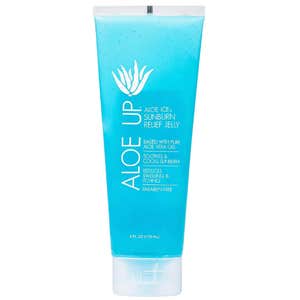
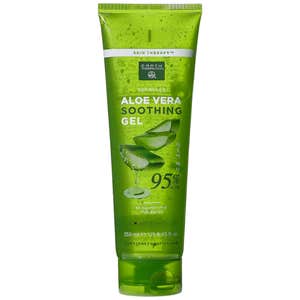
The second you notice you’re looking a little pink, first of all get out of the sun if you haven’t already, and then make sure aloe vera gel is within reach. Its cooling, water-based formula delivers near-instant relief to hot, inflamed skin, and its natural anti-inflammatory compounds help calm redness before it worsens. Look for pure or near-pure aloe formulas (90%+) without added fragrance or alcohol, which can sting already sensitive skin. This is a triage step, not a full treatment. Think of it as damage control you apply within the first few hours, before moving on to something more targeted for lasting hydration.
Insider tip: I keep a bottle in the fridge to amplify the soothing, cooling effect.
02
After-Sun Lotions & Creams: The Hours-Later Step
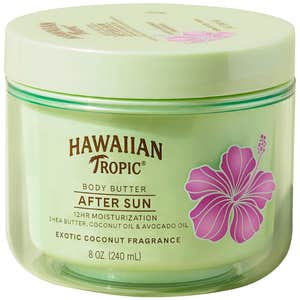
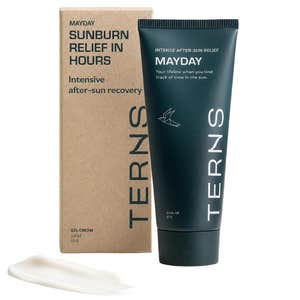
Once the initial heat has faded, typically a few hours post-exposure, it's time to switch to a richer after-sun lotion or cream. These formulas go beyond aloe's quick cooling to deliver deeper, lasting hydration, often with ingredients like hyaluronic acid, panthenol, or ceramides that help repair the skin's compromised moisture barrier. This step matters because sun-exposed skin loses water rapidly, and restoring that hydration is what actually prevents excessive peeling later. Apply generously to any exposed area, not just visibly burnt spots, and reapply before bed for overnight recovery.
03
Lip Care: A Targeted Concern
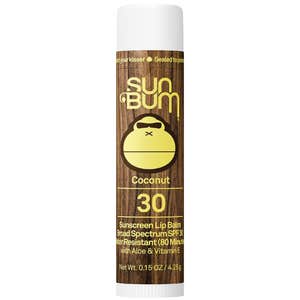
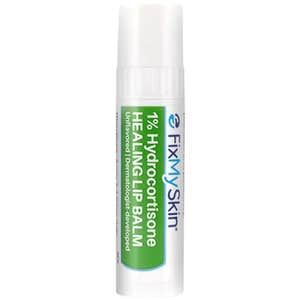
Lips are often the most overlooked casualty of sun exposure: thin skin, minimal natural protection, and constant movement mean they burn fast and heal slowly. Left untreated, sun-damaged lips can crack, peel, or even blister. A two-part approach works best: an SPF lip balm for prevention going forward, and a healing balm with ingredients like shea butter, beeswax, or ceramides for active repair. If a blister does form, resist picking at it and keep the area moisturized and protected from further sun until it fully heals.
04
Body Moisturizers for Peeling & Post-Sun Skin
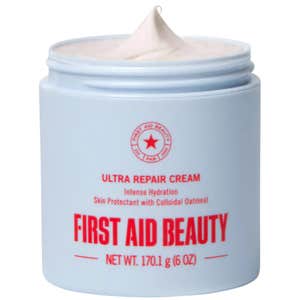
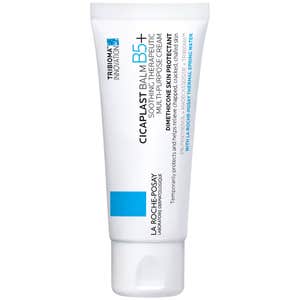
A few days after a burn, skin often shifts into its next uncomfortable phase: peeling, flaking, and sometimes an uneven, spotty texture as damaged surface cells shed. This is where a dedicated body moisturizer, ideally fragrance-free and formulated with soothing ingredients like colloidal oatmeal, shea butter, or niacinamide, becomes essential. Consistent moisturizing during this window softens flaking and supports the skin as it regenerates, which can also help minimize the appearance of temporary white spots or discoloration left behind. Patience matters here; this stage of recovery is gradual, and forcing exfoliation too early can prolong irritation.
05
Daily SPF: The Best After-Sun Care Is Prevention
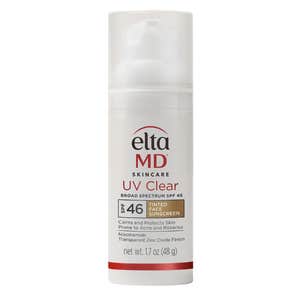
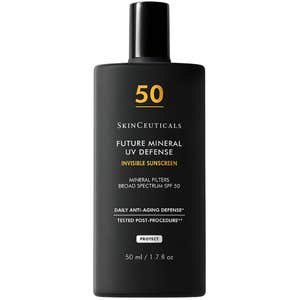
The most effective after-sun product is the one that prevents you from needing after-sun care in the first place. A broad-spectrum SPF 30 or higher, applied daily and reapplied every two hours during extended outdoor exposure, is the single best defense against the entire cycle of burning, peeling, and repair. Building it into your morning routine, even on cloudy days, protects against cumulative damage that shows up as premature aging, uneven tone, and increased sensitivity over time. Recovery products are great to have on hand, but a solid SPF habit is what keeps you reaching for them less often.
Authors
Brittany Brainard is an editor and writer at Rank and Style who brings a sharp eye, a science brain, and a love for stylish content to the table. With degrees from Misericordia University and SUNY Broome, she blends her background in health science a







.png)