Designer Handbag Brands: The Top 20 High-End Names You Should Know
Your Shortcut to the Most Popular Designer Bag Brands
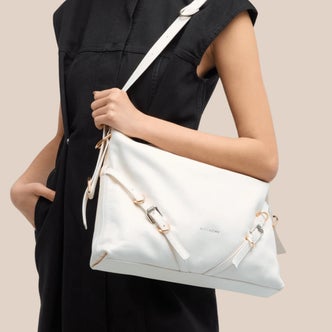
Designer bags have a way of sticking with you—not just because they’re beautiful, but because the right one feels dependable, well-made, and worth the investment. And with so many high-end purse brands and luxury bag companies out there, it helps to know which names actually deliver on quality, style, and long-term value.
This guide breaks down the top handbag brands people consistently talk about: the designer handbags that dominate “best of” lists, the popular bag brands that show up in real-world reviews, and the brands that hold their resale value season after season. Some are timeless heritage houses, some are modern favorites, and a few sit in that ideal middle space where elevated design meets everyday wearability.
Think of this as your shortcut to understanding the landscape—the name-brand purses worth knowing, what each brand is known for, and why so many shoppers call them the best handbag companies in the game.
Here are the 20 top handbag designers that truly stand out:
- Louis Vuitton — The Gold Standard Of Luxury Carryalls
- Chanel — The Ultimate “Someday” Bag
- Gucci — The Crowd-Pleaser With Personality
- Prada — The “Quiet Luxury” Starter Kit
- Saint Laurent — The Effortlessly Polished Bag Brand
- Bottega Veneta — The Modern IYKYK Luxury Brand
- Celine — The Minimalist Luxury Brand People Graduate Into
- Loewe — The Luxury Brand With a Playful Edge
- Dior — The “Instant Icon” Brand
- Balenciaga — The Brand People Love for Its Attitude
- Fendi — The Brand With Two Bags People Can’t Stop Collecting
- Givenchy — The Sharp, Structured Brand Trusted for Everyday Luxury
- Chloé — The Soft, Feminine Brand Loved for Its Easygoing Luxury
- Hermès — The Dream-Bag Brand People Save For
- Valentino — The Polished-But-Playful Brand That Adds a Little Drama
- Marc Jacobs — The Trend-Forward, Affordable Designer Bag Brand
- Mansur Gavriel — The Minimalist Brand That Feels Special
- Mulberry — The Heritage Brand Loved for Its Leather and Longevity
- COACH — The Comeback Brand Everyone’s Obsessed With Again
- Tory Burch — The Everyday-Luxe Brand People Rely On
All products and deals are sourced by the Rank & Style team using data and expert insights. If you shop through our links, we may earn a commission—at no extra cost to you.
December 5, 2025
Authors

Beth is a 14+ year merchandising industry veteran and a mom of one. Prior to Rank & Style, she served as VP for omni- channel software solution and e-commerce startups. Beth graduated from Purdue University and FIT. She’s passionate about female leadership and serves as an executive mentor to aspiring women leaders.

Written By:
Beth Zerdecki


01
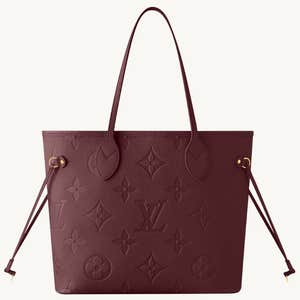
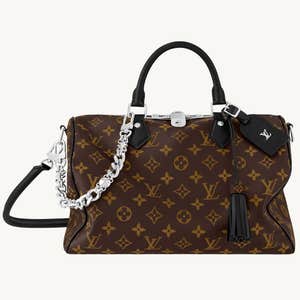
Louis Vuitton — The Gold Standard Of Luxury Carryalls
There’s a reason Louis Vuitton sits at the top of nearly every “must-own” list. Shoppers talk about this brand with the kind of devotion usually reserved for heirlooms—honestly, it borders on sentimental. Reviews constantly mention durability (the coated canvas practically shrugs off scratches), timeless shapes, and how these bags fit into every version of your life.
The Neverfull, Speedy, and Alma read like a roster of icons, each with decades of street cred behind them. People love that LV pieces hold their value ridiculously well, too—resale forums are full of “I carried it for 5 years and sold it for almost what I paid” stories. Prices usually start around $1,700–$3,000 for classics, and yes, it goes up from there for limited editions and exotic leather pieces. But even with the investment, reviewers keep saying the same thing: “It still looks brand new.” And they mean it.
02
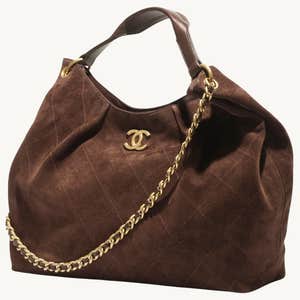
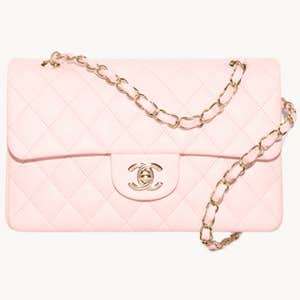
Chanel — The Ultimate “Someday” Bag
Chanel sits in a league of its own—that brand people dream about long before they ever walk into a boutique. The love usually starts with the classics: the Timeless Flap, the 2.55 Reissue, and those perfectly padded chains that feel like jewelry. Reviewers rave about the craftsmanship, the weight of the hardware, the way the quilting keeps its shape even years later. Social chatter leans emotional—“I cried when I unboxed it” shows up more often than you’d expect.
And the resale market? Wildly strong. Chanel bags are one of the few fashion items that actually appreciate, which is why so many people call them “investment pieces” without irony. Prices vary by size and season, but you’re typically looking at $5,000–$10,000 for classics, with minis and seasonal styles dipping slightly lower. Still, fans swear the cost is justified because these bags don’t age—they grow into their iconic status.
03
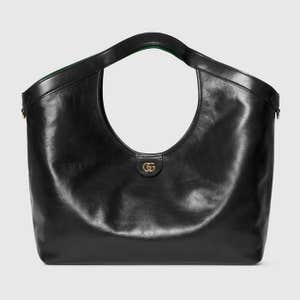
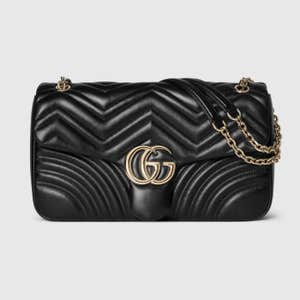
Gucci — The Crowd-Pleaser With Personality
Gucci wins people over by blending personality with practicality, and that combo keeps fans loyal for years. Reviewers can’t stop mentioning how surprisingly functional the bags are (the Marmont especially… everyone swears it holds more than it looks like it should). The Dionysus gets tons of love for feeling edgy without being aggressive, and the Jackie 1961 has its own corner of Instagram where fans basically write poetry about its curves.
There’s this theme in the reviews—“I feel put together even in jeans,” “the leather is soft but tough,” “I get compliments every single time I wear it.” Gucci’s price range usually sits around $1,200–$4,200, depending on whether you’re going for canvas, leather, or something embroidered and fabulous. It’s luxury with personality, which honestly explains why these pieces stay in heavy rotation instead of living on a shelf.
04
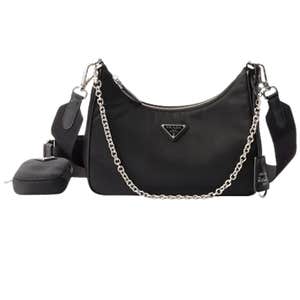
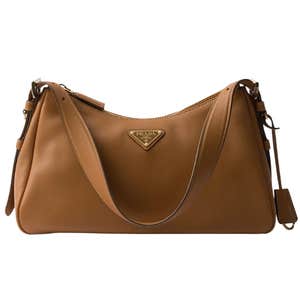
Prada — The “Quiet Luxury” Starter Kit
Prada has this quiet confidence to it—like the brand knows it doesn’t need logos screaming to get your attention. People fall hard for the clean lines, the crisp shapes, and the fact that the bags feel modern without tipping into trend-chasing. The Re-Edition nylon line still dominates TikTok (nylon shouldn’t look this chic but somehow does), and reviewers rave about how the Saffiano leather pieces basically age in slow motion.
Lots of “I’ve carried this for years and it barely shows wear,” which says everything. The Galleria, Cleo, and Re-Edition 2005 show up across “best of” lists constantly, usually with notes about durability and that effortless, slightly architectural silhouette Prada does so well. Prices typically land around $1,200–$4,500, depending on material and size. It’s a brand people trust—stylish, simple, and built to last through your whole capsule wardrobe era and beyond.
05
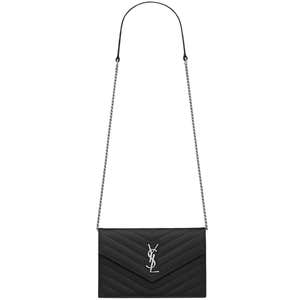
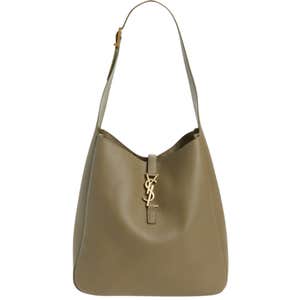
Saint Laurent — The Effortlessly Polished Bag Brand
Saint Laurent is loved for that sleek, dressed-but-not-trying look that works with everything. The clean lines, the subtle hardware, the whole Parisian-cool thing — it’s why reviewers say their YSL bags instantly make even a basic outfit feel intentional.
The Loulou, the Solferino, and the ever-popular Kate all get constant shoutouts for being surprisingly practical while still feeling luxe. Social reviews are full of comments like, “I wear this more than any other designer bag I own,” and “It holds its shape beautifully.” People genuinely appreciate that YSL hits this sweet spot where it feels upscale, but not fragile or stuffy. Most bags fall in the $1,800–$4,000 range, depending on size and leather type. It’s polished, dependable, and a little bit sexy — which is probably why so many people end up with more than one.
06
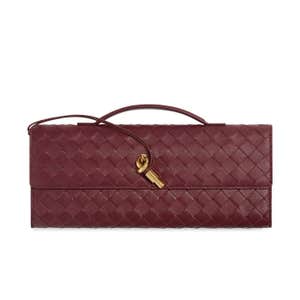
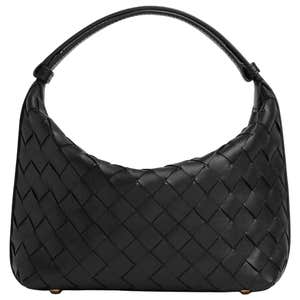
Bottega Veneta — The Modern “If You Know, You Know” Luxury Brand
Bottega wins people over with craftsmanship you can literally see—the woven leather, the sculptural shapes, the soft-as-butter feel that spoils you for other brands. Reviews gush about the texture (“the leather is unreal”), the weight, and the way these bags look minimal but still make a statement.
The Jodie and the Cassette show up everywhere online, partly because they photograph beautifully, but mostly because fans say they’re lightweight, durable, and almost too comfortable to carry. A lot of reviewers mention how Bottega pieces age well—the leather softens without losing shape, which feels like magic in a world of bags that collapse after six months. Prices usually range from $1,500–$4,500, depending on size and whether you go classic intrecciato or the new, chunkier styles. It’s quiet luxury with a pulse—subtle, but impossible to ignore once you’ve seen (or felt) it.
07
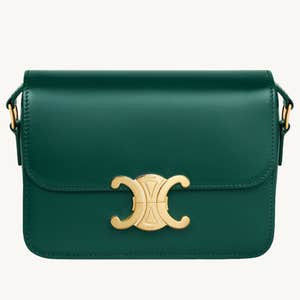
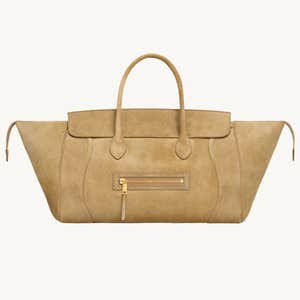
Celine — The Minimalist Luxury Brand People Graduate Into
Celine has this refined, quietly confident vibe that shoppers fall for when they want something luxurious but subtle. The bags feel architectural—clean edges, structured bodies, hardware that whispers instead of sparkles. Reviewers constantly praise the craftsmanship, especially on the Belt Bag, Triomphe, and Classic Box (which has its own cult corner online).
You’ll see a lot of “this feels so elevated,” and “the leather is incredible,” along with notes about how Celine bags work with basically every outfit, from office days to travel days. Fans also love that these pieces hold their shape and don’t show wear easily—always a win when you’re spending this much. Expect prices in the $2,400–$6,000 range depending on size and leather. If you’re craving something chic, grown, and genuinely timeless, Celine tends to be the turning point brand.
08
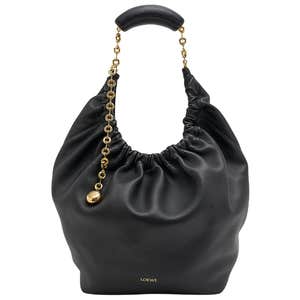
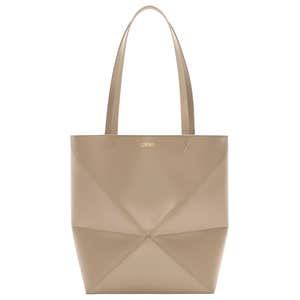
Loewe — The Luxury Brand With a Playful Edge
Loewe stands out because it blends true artisan craftsmanship with these creative, almost sculptural designs that feel different from everything else out there. People rave about the leather—really rave—calling it some of the softest, most flexible, best-aging material they’ve ever owned. The Puzzle Bag is the obvious star (reviewers love that it shifts shapes and somehow works crossbody, top handle, or shoulder), but the Flamenco and Hammock have their own loyal fan bases too.
Social reviews skew very “I didn’t expect to love this so much,” mixed with a surprising amount of praise for comfort and how lightweight the bags are, even in larger sizes. Shoppers also appreciate how Loewe pieces stay timeless but fresh—not trend-chasing, just clever design. Prices usually fall in the $1,900–$4,300 range. It’s the brand people reach for when they want something beautifully made, a little arty, and honestly… kind of joyful.
09
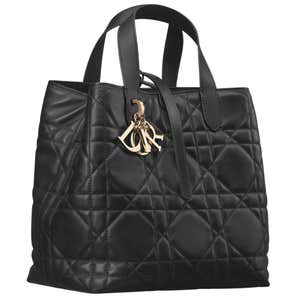
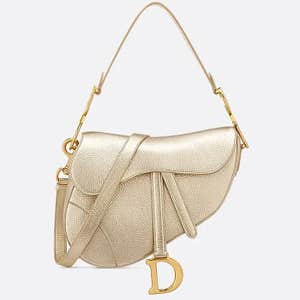
Dior — The “Instant Icon” Brand With Bags That Feel Special Every Time
Dior hits that rare mix of elegance and emotion — the kind of luxury that feels dressed-up even when you’re not. Shoppers fall hard for the craftsmanship: the stitching on the Lady Dior (those canework-inspired details get endless compliments), the rich embroidery on the Book Tote, the soft slouch of the Bobby. Reviews are full of little love notes like, “I treat it like art,” or “I carry this on big days because it makes me feel confident,” which… honestly says a lot about how attached people get to these bags.
Fans also rave about how Dior pieces hold their structure over time and how the materials stay beautiful even with regular wear. Pricing tends to land around $3,500–$6,500, with embroidered or embellished styles climbing higher. If you want a bag that turns into a signature piece—the one people notice, compliment, remember—Dior is usually the brand that delivers that feeling.
10
Balenciaga — The Brand People Love for Its Attitude
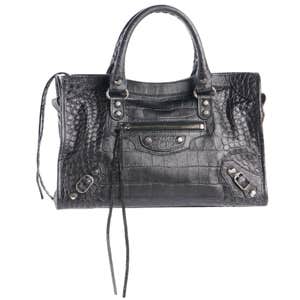
Balenciaga bags win fans with that perfectly undone, lived-in look—the kind of slouchy cool that doesn’t try too hard but always works. The City bag is the obvious legend here, and reviewers still gush about how soft the leather gets, how lightweight it is, and how it somehow fits a ridiculous amount without looking bulky. You’ll see a lot of “I’ve had mine for a decade and it still looks amazing,” mixed with notes about how comfortable the handles are (a small detail, but people mention it constantly).
The Le Cagole has its own internet fandom thanks to the Y2K vibe and those little mirror-and-pouch add-ons that feel both fun and weirdly practical. Fans also appreciate that Balenciaga bags don’t scream luxury—they read more like fashion insider staples. Prices typically run from $1,500–$3,000, depending on the style and leather. If you like your designer bags with a little edge and a lot of personality, this is the brand that scratches that itch.

11
Fendi — The Icon-Driven Brand With Two Bags People Can’t Stop Collecting
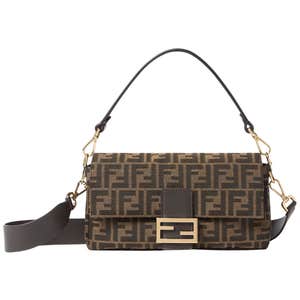
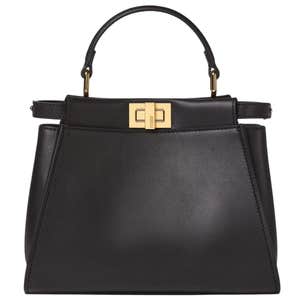
Fendi has this knack for creating bags that become cultural moments—and the love for them never really fades. The Baguette is the big one, obviously. Reviewers talk about it like an old friend: lightweight, surprisingly roomy, instantly recognizable. The Peekaboo sits right alongside it, earning nonstop praise for its structured shape and that satisfying, slightly secret-feeling interior divider.
Shoppers consistently mention the craftsmanship—the stitching, the leather quality, the way even fabric versions hold up beautifully over time. Social comments swing between “I get compliments every time,” and “I’ll pass mine down someday,” which says a lot about how personal these bags feel. Pricing usually falls around $2,500–$6,000, depending on size and materials. Fendi is the brand people return to when they want something iconic but not overdone—familiar, yes, but still fresh enough to feel special every time you carry it.
12
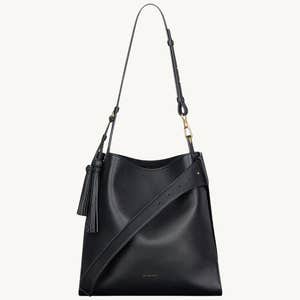
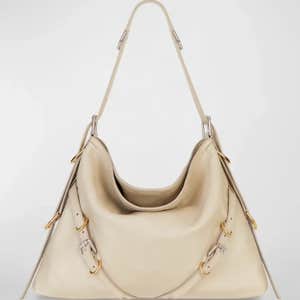
Givenchy — The Sharp, Structured Brand Trusted for Everyday Luxury
Givenchy bags have this clean, sculpted look that appeals to anyone who wants something luxe but still genuinely practical. The Antigona is the obvious star—reviewers call it “the perfect work bag,” “a forever shape,” and mention over and over how well it holds its structure (even when you’re rough on it). The soft version has its own fan club, too, mostly because it keeps the iconic silhouette but feels a little easier, a little more lived-in. People also love the hardwar—polished but not flashy, durable, and oddly satisfying to zip.
Social chatter leans very “I didn’t expect to use this every day, but I do,” which might be Givenchy’s real magic trick. Prices usually land around $1,900–$3,500, depending on size and leather. If you want a designer bag that reads sophisticated without crossing into pretentiousness, Givenchy tends to be the one everyone quietly recommends.
13
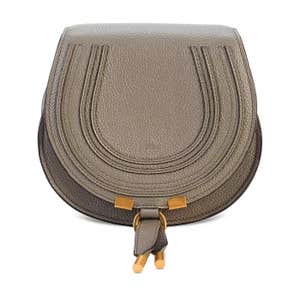
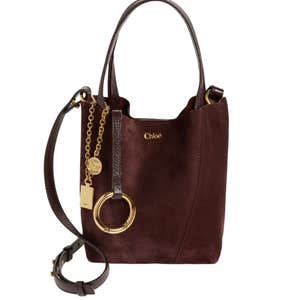
Chloé — The Soft, Feminine Brand Loved for Its Easygoing Luxury
Chloé bags have this relaxed, effortless feel that draws in anyone who prefers “soft luxury” over stiff, structured silhouettes. The Marcie is the one everyone knows—reviewers constantly praise the curved saddle shape, the comfortable straps, and the way the leather develops that pretty, lived-in patina. The Tess and the Faye (RIP but still adored) have their own loyal followings too, thanks to their mix of clean lines and subtle hardware details.
People mention, again and again, how wearable these bags are—not too heavy, not too precious, and roomy in a way that actually makes sense for real life. You’ll see comments like, “This is my weekend bag forever,” and “I get compliments every time I carry it.” Prices typically fall around $1,500–$3,200, depending on the size and style. Chloé is the brand you reach for when you want something feminine, beautifully made, and a little relaxed—luxe without the stiffness.
14
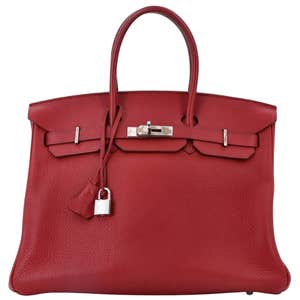
Hermès — The Dream-Bag Brand People Save For, Talk About, And Honestly Kind Of Obsess Over
Hermès hits differently because the bags feel crafted, not produced—like someone genuinely obsessed over every stitch before it ever reached a boutique. Fans talk about the leather first (always the leather), the weight of the hardware, the way the structure stays crisp even after years of carrying it around. The Birkin and Kelly get most of the attention—they’re the ones you can’t just walk in and buy, you have to be offered one. And then there’s the Evelyne, the one you can usually buy in-store without any hoops to jump through, loved for its soft, sporty crossbody feel and that big perforated H.
Reviews read almost like diary entries: “I waited forever, but it was worth it,” “the craftsmanship shocked me,” “I didn’t get the hype until I held it.” There’s a lot of emotion tied up in these bags, more than with almost any other brand. Prices for Hermès bags typically start around $2,000–$4,500 for pieces like the Evelyne and climb to $7,000–$12,000+ for quota bags like the Birkin and Kelly. The resale market goes way beyond that depending on leather, color, and rarity.
.png?width=300&quality=65)
15
Valentino — The Polished-But-Playful Brand That Adds a Little Drama
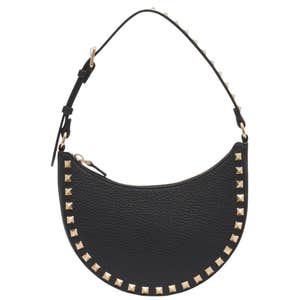
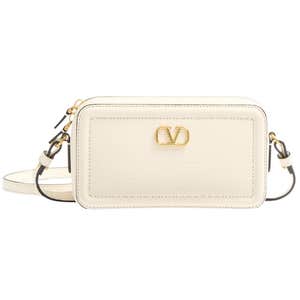
Valentino bags tend to win people over with their balance of elegance and attitude—refined shapes, gorgeous leathers, and, of course, those signature studs that make everything feel cooler. The Rockstud line is the big favorite here; reviewers constantly mention how the studs look bold but never cheap, and how the bags stay comfortable even with the hardware. The Locò and the VLogo Signature styles get a lot of praise too, especially from shoppers who want something sleek but still unmistakably Valentino.
A surprising amount of reviews mention compliments — the “random stranger stopped me” kind—along with notes about how durable the leather is over time. Prices typically fall around $1,800–$4,500, depending on size and embellishment. Valentino is the brand people grab when they want something a little glamorous, a little Italian, and honestly… a little fun.
16
Marc Jacobs — The Trend-Forward, Affordable Designer Bag Brand
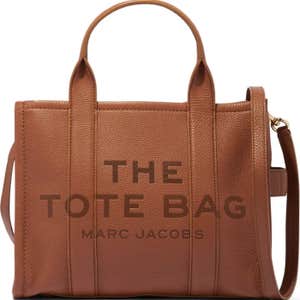
Marc Jacobs bags are loved for being stylish without feeling high-maintenance—they’re the kind of pieces you actually use, not tuck away for “special occasions.” The Snapshot is the style that really exploded online (those color combos show up everywhere), and reviewers always mention how lightweight and easy it is to carry. The Tote Bag has become its own little universe too—people rave about the canvas version for everyday errands and the leather version for looking surprisingly polished.
The reviews are so practical and honest: “holds up better than I expected,” “fits my whole life,” “I get so many compliments for something under $500.” And that’s a big part of the appeal—you get that designer look without diving into four-figure territory. Prices generally range from $150–$600, depending on the size and material. Marc Jacobs is the brand people grab when they want something cool, current, and fun… without taking a big hit to their bank account.

17
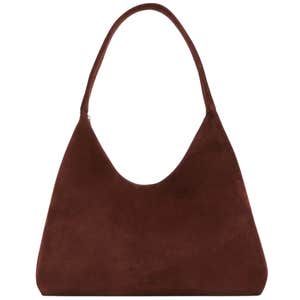
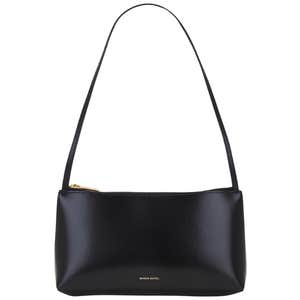
Mansur Gavriel — The Minimalist Brand That Made “Simple” Feel Special Again
Mansur Gavriel bags get so much love because they take really clean shapes and make them feel warm, thoughtful, almost soothing to look at. The Bucket Bag is the one that put them on the map—reviewers rave about the smooth leather, the roomy interior, and the way it works for both office days and errands. The Lady Bag and the Everyday Tote have their own followings too, especially among shoppers who want something understated but still undeniably pretty.
A lot of comments mention how lightweight the bags are, how well the colors are done (MG’s shades are almost painterly), and how the leather softens in that “loved but not worn-out” way. Prices typically sit around $395–$995, depending on size and material. It’s the brand people reach for when they want something simple, yes—but simple in the chic, intentional way that never feels boring.
18
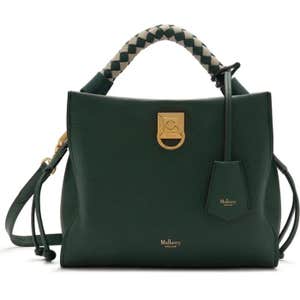
Mulberry — The Heritage Brand Loved for Its Leather and Longevity
Mulberry has this classic, quietly polished vibe that appeals to anyone who wants a bag they can carry for years without it ever feeling dated. Reviewers talk a lot about the leather—rich, sturdy, beautifully grained—and how it only gets better with age. The Bayswater is the longtime favorite (it’s the kind of bag that feels both work-appropriate and weekend-friendly), while the Alexa brings in that softer, slightly slouchy charm that helped Mulberry blow up in the first place.
You’ll see tons of comments like, “still looks amazing after five years,” and “the craftsmanship surprised me,” especially from shoppers discovering the brand for the first time. Prices usually run around $900–$2,000, depending on the size and leather. Mulberry is the brand people grab when they want a real leather bag—the sturdy, dependable kind—with a little British polish.

19
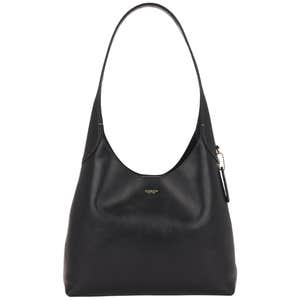
Coach — The Comeback Brand Everyone’s Suddenly Obsessed With Again
Coach has completely redefined itself over the past few years, and shoppers have been loving the glow-up—better leather, better shapes, and this mix of nostalgia and modern polish that feels really easy to wear. The Pillow Tabby is the star of the revival (people rave about how soft it is, like “squishy-cloud” soft), but the Cassie, the Willow, and the Rogue all have their own very vocal fan bases.
Reviews are full of real-life praise: “the leather is way nicer than I expected,” “I’ve carried this nonstop and it still looks new,” “so many compliments.” People also love that Coach bags feel elevated without the designer price shock—you’re getting quality that rivals the luxury tier at a more comfortable entry point. Prices usually range from $150–$650, depending on the size and material. Coach is the brand folks reach for when they want something stylish, durable, and genuinely enjoyable to carry every day.

20
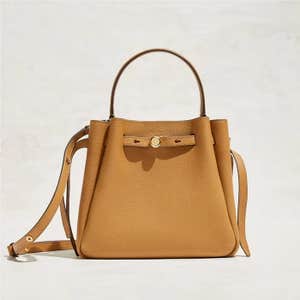
Tory Burch — The Polished, Everyday-Luxe Brand People Rely On for Wearable Style
Tory Burch bags have this easy kind of elegance—nothing loud, nothing complicated, just pretty shapes and good materials that fit into your day without trying too hard. The Kira and the Fleming are the ones people gush about most; reviewers keep bringing up the soft leather and how the bags manage to feel structured but never rigid. The Perry Tote and the McGraw line get a ton of love too, especially from shoppers who need something roomy for work or travel but still want it to look nice slung over a shoulder.
A lot of the feedback sounds almost relieved: “finally a bag that handles my laptop,” “the straps don’t hurt,” “I’ve used this every day and it still looks great.” And honestly, that’s what people like most—the bags look polished but still feel easy to carry and live with. Prices usually land around $250–$700, depending on the style. Tory Burch is the brand people grab when they want something refined and reliable… stylish enough to elevate jeans, but still relaxed enough to carry everywhere without babying it.

What Makes A Brand “High-End” or “Luxury”?
When you start digging into high-end purse brands or comparing the big luxury bag brands, it becomes pretty clear that not all designer labels are playing the same game. A few things show up again and again across the brands people trust most—the details that separate the top handbag brands from everything else on the shelf.
1. Craftsmanship You Can See & Feel
Luxury bags don’t come off the line like fast-fashion pieces.
They’re made by people who actually know the craft—the kind of artisans who spend years perfecting hand-finished stitching, clean edges, and interior construction that doesn’t fall apart after one season.Pick up a truly well-made bag and you can usually tell right away: the leather sits differently, the structure feels intentional, and nothing looks rushed.
2. High-Quality Materials
Most handbag designers use:
- Full-grain or premium calfskin leather
- Durable, weighty hardware
- Reinforced edges and seams
- Linings that don’t pill or tear
Better materials = better aging, which is a major reason these bag brands can become expensive.
3. Heritage & Brand Reputation
The most well-known name-brand purses typically come from houses with decades (sometimes centuries) of design history.
Heritage matters because it signals:
- Consistency
- Design evolution
- Recognizable craftsmanship
- Long-term value
This is why brands like Hermès, Dior, and Louis Vuitton show up everywhere when people search for top designer bags.
4. Timeless, Iconic Designs
Great luxury brands don’t depend on trends to stay relevant. They have signature shapes—the classics—that people buy again and again.
Think: Neverfull, Classic Flap, Puzzle, Cassette, Speedy, Baguette.
This is a huge reason these labels make it into top bag lists.
5. Long-Term Value (Sometimes Even Resale Value)
High-end bags tend to age well and hold their value—some even appreciate over time.
Heritage + materials + craftsmanship = resale demand.
That’s a major difference between true luxury bag brands and trendy labels that fade quickly.
Where to Buy Designer Bags
Buying a new luxury bag usually comes down to two paths: direct from the brand or through a department store (or, you can check out some of the best discount designer websites). Going straight to the designer gets you the full boutique experience—the newest colors, the special packaging, sometimes even the “let’s pop this in the back room” treatment for harder-to-find styles.
Department stores, on the other hand, make things easier and sometimes cheaper. You can compare brands side by side, take advantage of rewards programs, and shop online without worrying about international shipping or waitlists. Most shoppers end up using both options depending on the brand, the bag, and what’s actually in stock that season.
Here are the major U.S. department stores where you can find the brands from our list—plus what each one does well.
Nordstrom
Nordstrom hits that sweet spot between luxury and accessible designer, and the shopping experience is refreshingly low-pressure. Their stores and site carry a wide mix of classics and newer drops, and returns are famously easy—especially if you’re the type who likes to compare a few styles at home. If you’re hoping to save a little, checking out the latest Nordstrom promo codes can be surprisingly helpful during seasonal events.
Designers you’ll find: Saint Laurent, Gucci (select stores), Prada (limited), Marc Jacobs, Tory Burch, Coach, Chloé, Valentino, Givenchy, Mulberry, Mansur Gavriel.
Neiman Marcus
Neiman leans upscale and very curated—the kind of place where you walk in and instantly spot the heavy hitters. Their selection of heritage luxury houses runs deep, and they often get exclusive colors and limited editions before anyone else.
Designers you’ll find: Chanel (select boutiques), Saint Laurent, Gucci, Bottega Veneta, Fendi, Dior (select), Givenchy, Celine (varies), Valentino, Loewe, Chloé, Marc Jacobs, Mansur Gavriel.
Saks Fifth Avenue
Saks carries many of the same luxury names as Neiman, but their assortment of colors and seasonal styles often skews bigger—especially online. The designer floor is famously well organized, which makes browsing so much easier. Shoppers looking to stretch their budget a bit tend to browse Saks Fifth Avenue coupons before checking out.
Designers you’ll find: Louis Vuitton (store-in-store locations), Chanel (select), Saint Laurent, Prada, Gucci, Bottega Veneta, Fendi, Valentino, Celine (varies), Chloé, Loewe, Givenchy, Marc Jacobs, Mansur Gavriel.
Bloomingdale’s
Bloomingdale’s sits right in that contemporary-to-mid-luxury space, which makes it great for shoppers who want something elevated but not intimidating. It’s especially strong for everyday designer bags and the brands people use the most. Their Loyallist perks stack nicely with current Bloomingdale’s coupon deals, which helps if you’re eyeing something new-season.
Designers you’ll find: Chloé, Saint Laurent (select stores), Marc Jacobs, Coach, Tory Burch, Mansur Gavriel, Mulberry, MCM, Ferragamo (some locations).
Bergdorf Goodman
If you want a single store that captures the very top end of luxury handbags, this is it. Bergdorf Goodman carries museum-level pieces—the rare, the exclusive, the “you never see this anywhere” kind of designs.
Designers you’ll find: Chanel, Gucci, Prada, Fendi, Bottega Veneta, Dior (select), Celine, Valentino, Loewe, Givenchy, Saint Laurent.
Macy’s
Macy’s isn’t a destination for ultra-luxury, but it’s reliable for entry-luxe and mid-range designers—perfect if you want something stylish, practical, and well-made. It’s also one of the easiest places to stack sales with ongoing Macy’s coupon codes, especially around big shopping weekends.
Designers you’ll find: Coach, Tory Burch, Marc Jacobs (select), Longchamp, Ralph Lauren.
Saks Off 5th & Nordstrom Rack
These aren’t first-stop luxury destinations, but they’re great for treasure hunters who love past-season designer finds at lower prices. Inventory rotates constantly, and the savings can be surprisingly good—especially if you peek at current Saks Off 5th deals or Nordstrom Rack coupons before shopping.
Designers you’ll sometimes find: Marc Jacobs, Coach, Tory Burch, Longchamp, Mansur Gavriel, and the occasional mid-luxury surprise depending on the store.
Tiering Your Designer Bag Investment
Figuring out which designer brands make sense for you gets a lot easier once you understand the “tiers.” Not in a snobby way—more in a “why does this bag cost double that one?” way. Different luxury bag brands sit at different levels, and knowing where they fall helps you make a choice you’ll actually feel good about later.
Entry-Luxury (A Really Good Place to Start)
These are the labels people reach for when they want something stylish and well-made without diving straight into four-figure territory.
Think: Coach, Marc Jacobs, Tory Burch, Mansur Gavriel.
You still get quality leather, pretty silhouettes, and that “I bought myself something nice” feeling—just without the stress that sometimes comes with more expensive bag brands.
Mid-Luxury (True Designer, Still Everyday-Friendly)
This tier is where a lot of shoppers end up once they know their style. The materials are nicer, the construction is stronger, and the designs feel a bit more iconic.
Think: Chloé, Mulberry, Givenchy, Saint Laurent.
These are the popular bag brands that look polished on a workday but don’t feel too precious for errands or travel.
High-Luxury (Classic Names With Serious Staying Power)
Here’s where the heritage houses start showing up—bags you recognize instantly, even from across a room.
Think: Gucci, Prada, Fendi, Loewe, Dior.
Fans love these brands because the pieces last, the designs don’t fall out of style, and you’re getting the kind of craftsmanship that earns them a spot among the top handbag brands.
Ultra-Luxury (The Investment-Tier Icons)
This is the very top—the dream-bag level.
Think: Hermès, Chanel, Louis Vuitton.
These are the labels you hear people saving up for, hunting down, or obsessing over in resale groups. They’re pricey, yes, but they also tend to hold their value better than almost anything else in the world of name-brand purses.
How to Choose Your Tier
There isn’t a right answer here.
Some people jump into luxury headfirst; others take their time and work their way up. It mostly comes down to budget, lifestyle, and what you’ll actually carry without worrying about it. The best “investment” is the one that feels like you, not the one the internet tells you to buy.
Resale Value & Long-Term Worth
If you’ve ever wondered why certain high-end purse brands stay popular no matter what trends are doing, a big part of the answer is resale value. Some bags hold their worth incredibly well, and others… not so much. You don’t have to treat a designer bag like an investment portfolio, but it helps to understand what affects long-term value—especially when you’re shopping in the world of expensive bags.
1. Brand Reputation Matters (More Than You’d Think)
Heritage houses like Hermès, Chanel, Louis Vuitton, and Dior tend to dominate resale charts. Their designs stick around for decades, which keeps demand high.
If you ever decide to resell, the classics from these top handbag brands usually perform the best.
2. Iconic Styles Hold Their Value Better
Think about bags like:
- Chanel Classic Flap
- Hermès Birkin or Kelly
- Loewe Puzzle
- Fendi Baguette
- Louis Vuitton Neverfull
These silhouettes have staying power. Even used, they’re the pieces shoppers search for first when browsing purses online.
3. Condition Makes a Huge Difference
This part isn’t glamorous, but it’s important. Keeping the dust bag, box, and receipt helps. Avoid overstuffing or letting the bag sag. A little care now can mean hundreds more in resale later—one of the underrated perks of luxury bags with real longevity.
4. Color & Material Can Change Everything
Classic neutrals—black, tan, beige, brown—usually resell better. Seasonal colors and delicate materials can be hit-or-miss. It doesn’t mean you shouldn’t buy the fun version; just know how it plays into future value.
5. Buying With Resale in Mind Isn’t Shallow—It’s Smart
Not everyone cares about resale, but it’s practical to know which brands and styles keep their worth. If you’re spending a lot, it’s nice to have the option to switch styles later without losing everything you put in.
6. Not All Value Is Monetary
Some bags become the one you carry on big days—new jobs, trips, moments that stick. That kind of “value” doesn’t show up on resale charts, but it’s still part of why people buy designer bags in the first place.
Final Thoughts on Designer Handbag Brands
Choosing a designer bag ends up being way more personal than people expect—it’s not only about the shape or the logo, but how it feels in your hands, how it fits into your day, and whether you can actually see yourself reaching for it again and again. Once you get a handle on the basics—the different tiers, the craftsmanship, what holds value and what doesn’t—the whole world of luxury handbags starts feeling a lot less intimidating. It’s easier to trust your taste, easier to spot the brands that make sense for you, and honestly, the whole process becomes a lot more fun.
The 20 brands we covered represent the labels shoppers return to again and again. Some sit in the ultra-luxury tier with heritage stories and waitlists. Others are easier to reach, more relaxed, the kind of name-brand purses you carry every day without second-guessing. Together, they paint a pretty clear picture of the luxury bag brands people trust the most.
Whether you’re building your first collection or thinking about your next big purchase, keep the pieces that matter in mind—the materials, the structure, the longevity, and how the bag feels when you actually carry it. There’s no one “best” brand for everyone, but there is a best choice for you. And once you find it, you’ll know exactly why these labels have stayed at the top of the designer handbag world for so long.
If you need some more designer shopping inspiration, check out our favorite designer heels or learn all about YOOX, one of our favorite discount designer sites.
Authors
Beth is a 14+ year merchandising industry veteran and a mom of one. Prior to Rank & Style, she served as VP for omni- channel software solution and e-commerce startups. Beth graduated from Purdue University and FIT. She’s passionate about female leadership and serves as an executive mentor to aspiring women leaders.

.png?width=172)
.png?width=172)
.png?width=172)