What Makes an Outfit Look Put Together
A Clear Guide to the Simple Elements That Make an Outfit Look Intentional and Polished
-
Why Some Outfits Look Instantly Polished
Most of us can spot a polished outfit instantly. A white tee, jeans, and flats on one person look calm and intentional. The same pieces on someone else can feel more “this seemed like a good idea in my head” than “I’m ready for the day.” But most outfits don’t fail because they’re bad. They just need a little guidance.
The difference is rarely about having a large wardrobe or expensive labels. It usually comes down to a small set of repeatable decisions. When an outfit looks put together, it feels thought through. The pieces relate to each other, the proportions make sense, and nothing feels rushed. The outfit looks calm, and the person wearing it looks comfortable instead of tugging or adjusting throughout the day.
The good news is that this is learnable. With a few simple frameworks, you can look in the mirror, understand what feels off, and fix it using pieces you already own.
Start With Fit
Fit is the foundation of looking polished. Think of fit as the part that does the heavy lifting before the outfit even starts. Stylists repeat this because it’s true: if the fit is off, the outfit will never fully come together.
Good fit looks like:
- Shoulders that line up with yours. Shoulder seams should sit at the edge of your shoulder. Dropped seams make the outfit look droopy rather than relaxed.
- Waistbands that stay in place. If your pants slide down or feel uncomfortable after a few steps, the fit needs adjusting.
- Sleeves and pant legs that stop with intention. Sleeves near the wrist bone and hems that skim your shoes or end neatly at the ankle always look thoughtful.
Tailoring is the quiet superpower of well-dressed people. A small hem adjustment or a quick waist tweak can turn an almost-right piece into a weekly favorite.
Top-to-Bottom Fit Check
Stand in front of the mirror and scan from top to bottom:
- Tops and jackets: Do the shoulder seams sit where your shoulders end? Does the piece stay in place when you move?
- Bottoms: Do your jeans, trousers, or skirts sit comfortably without feeling restrictive?
- Dresses and jumpsuits: Does the waist sit at your actual waist? Do the straps feel secure?
- Shoes: Can you walk comfortably?
Once the fit feels right, check the balance:
- Pair looser pieces with something more fitted.
- When tops run long, add definition with a tuck, belt, or pushed-up sleeves.
- Keep only one loose item per outfit so your frame stays visible.
This check takes less than 30 seconds and will save you from outfit frustration later. If you want help learning proportions, How to Style Wide Leg Pants breaks that silhouette down clearly.
Your Simple Outfit Formula Polished outfits rarely come from grabbing random pieces and hoping they blend. Most people who dress well use simple formulas they repeat with small variations.
Here’s an easy one:
- Base layer: A top and bottom, or a one-piece like a dress or jumpsuit
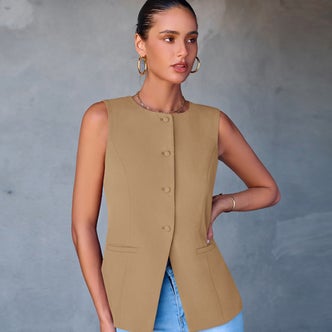
- Structure layer: A blazer, cardigan, vest, denim jacket, or trench
- Shoes: Chosen for comfort, weather, and how dressed up you need to be, such as a sandal, boot, or sneaker
- Finishing touches: One or two accessories that repeat a color from your outfit (example: if your top has navy, echo the navy in your bag or shoes)
Examples you can recreate today:
- Straight-leg jeans, a simple tee, a cardigan, and low-heel ankle boots
- Wide-leg trousers, a fitted knit, a blazer, and sleek sneakers or loafers
- A midi dress, a denim jacket, and flats
If I were going for brunch in Houston during the springtime, I’d choose the third formula: a midi dress, a denim jacket, and heeled boots to dress it up. It’s comfortable, weather-friendly, and stays within the formula without feeling forced.
Match Your Closet to Your Outfit Formulas
Once you have a few outfit formulas, the next question becomes whether your closet supports them. This makes intentional dressing easier. Instead of randomly shopping, you’re checking for a few essentials.
Pick one formula and do a quick audit:
- Jeans or trousers you enjoy wearing
- A tee or knit that is not stretched out
- A cardigan or jacket that adds structure rather than slouching
- Shoes that look good and feel comfortable
This is the moment where your closet starts working for you, not against you. Anything missing becomes a specific piece to look for later, not a random urge to buy something new. If you want a deeper system for building versatile outfits, How to Build a Capsule Wardrobe is a helpful companion.
Finishing Details
Once fit, balance, and formulas are in place, the remaining difference usually comes from small adjustments.
Fashion expert Tan France often teaches that small adjustments such as a tuck, rolled sleeves, or a neat hem can instantly make an outfit look more intentional. His well-known “French tuck” from Queer Eye is a simple example of how a small styling tweak can bring more balance to an outfit.
Try these:
- Tucks: A half tuck or full tuck defines your waist and adds intention to basic tops.
- Cuffs: Rolling sleeves to show a bit of wrist lightens heavier pieces.
- Jean hems: A single cuff on straight-leg jeans helps them hit neatly at the ankle.
- Jewelry or scarves: A hoop earring, pendant, or scarf gives your outfit a focal point. If you’re not confident about accessorizing with scarves, How to Wear a Scarf breaks down the simple knots worth knowing.
These details are subtle but make your outfit feel finished. Once you see these patterns, you can’t unsee them, and getting dressed becomes way easier.
Colors That Work Together
Even with good fit and smart layering, color can make or break a look. You do not need a neutral-only closet. You just want your colors to look like they belong together.
Here are three simple guidelines:
- Repeat one color
If your sweater is olive, repeat the olive tone in your bag, your shoes, or a jewelry detail so the outfit feels connected.
- Limit strong contrasts
If you’re already wearing two bold colors, keep your third piece neutral. Shades like denim, beige, black, charcoal, or white help balance louder tones.
- Create a matching base
Wear similar tones on top and bottom (like black with charcoal or cream with tan). Then use a jacket, shoe, or accessory in a different color to add interest without overwhelming the outfit.
If you want clarity on which colors flatter you, What Colors Look Good On Me is a helpful starting point.
Common Outfit Mistakes And Simple Fixes
If the mirror ever says “almost,” it’s usually one of these:
- The fit is slightly off
Fix: Swap one item for something that fits better, or set the piece aside for tailoring.
- The outfit doesn't match the setting
Fix: Use your shoes to guide the tone. Switching from a sporty sneaker to a clean sneaker or loafer can connect casual and dressy pieces so the outfit feels intentional.
- The color story is unclear
Fix: Swap one item so at least two pieces share a shade.
You will see these same ideas on celebrities like Zendaya. Her outfits look polished because her pieces relate to each other, her colors repeat, and nothing feels random. The same principles apply whether you’re wearing wide-leg trousers with a fitted top and loafers or keeping it casual in a tee and jeans.
A Simple 3-Step Mirror Checklist
Before you leave the house, try this quick check:
- Balance: Does the outfit have a clear overall proportion?
- Color: Are more than three main colors competing?
- Detail: Do sleeves, hems, and accessories look intentional?
Pause and think of this before you grab your keys. It will train your eye and help your outfits come together faster.
Put-Together Style is a Learnable Skill
Looking polished is not about owning more. It’s about understanding simple mechanics and practicing them until they feel natural. If you want to keep reading, Business Casual Capsule Wardrobe for Work offers guidance for office outfits. For help with shoe pairings, Sneakers to Wear With Dresses offers some great examples.
In time, the same four elements start repeating themselves: fit, balance, color, and finishing details. When those pieces line up, “how to look put-together” stops being a mystery and becomes a skill you can rely on every day.
All products and deals are sourced by the Rank & Style team using data and expert insights. If you shop through our links, we may earn a commission—at no extra cost to you.
Authors

Rockie is a Texas native and fashion stylist with a background in fashion retail and visual direction. As a fashion merchandising graduate from Houston City College, she brings industry-informed insight into fashion and style content, blending color
Written By:
Rockie Phillips


At Rank & Style, we value a wide range of voices. This guest piece was produced with our editorial guidance to share Rockie Phillips’s independent perspective on the topic.
Authors
Rockie is a Texas native and fashion stylist with a background in fashion retail and visual direction. As a fashion merchandising graduate from Houston City College, she brings industry-informed insight into fashion and style content, blending color





.png)