
What Are Exosomes in Skincare? The Ingredient Everyone’s Talking About
Derm-Approved, TikTok-Famous—But Are Exosomes Actually Worth It?
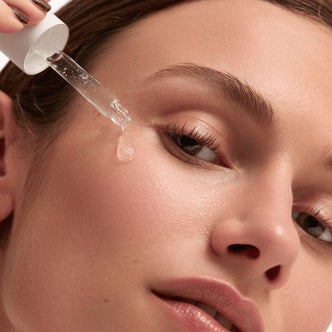
If you've been anywhere near the beauty side of Tik Tok lately, you've probably heard people chatting about exosomes. They're the it ingredient everyone from dermatologists to K-beauty brands can't stop mentioning, and they may just live up to the hype. But what even are they? In the simplest terms, exosomes are tiny particles that carry messages between your skin cells—kind of like passing notes in class, except these notes tell your skin to make more collagen and fix up any damage. Research around these little guys is still pretty early, but so far it adds up with the results we’re seeing. This guide breaks down what exosomes actually are, how they work, the different types you'll find in products, and whether they're worth adding to your routine (spoiler: it depends).
Exosomes, Explained
Imagine your skin cells are constantly texting each other. "Hey, there's damage over here!" "We need more moisture!" "Time to make some collagen!" Exosomes are basically those text messages—except instead of words, they're carrying actual instructions and materials your cells need to get the job done.
What Are Exosomes in Skincare?
What makes exosomes different from other skincare ingredients is what happens after they soak in. They don't just hang out on the surface doing their thing. They slip inside your skin cells to deliver the message and supplies we talked about, which essentially talks those cells into acting younger. It's like hiring a really good life coach for your skin—it helps your skin get on track with behaving the way it did ten years ago.
The big selling point is that exosomes tackle multiple problems simultaneously. Most skincare ingredients are good at one thing. Exosomes? They're working on inflammation, collagen, barrier repair, all at once. But whether that actually happens in the serum you're buying is another question entirely.
Where Do Exosomes Come From?
Your body makes exosomes naturally all the time, but the ones in your skincare products come from three main places:
- Human stem cells or platelets (which sounds wild but is totally safe when done right)
- Plant sources
- Lab-made versions
Each source has its own benefits and limitations, which we'll jump into later.
How Do Exosomes in Skincare Work?
Do exosome serums actually work? Short answer: depends where you're using them and what you're expecting.
The way exosomes work is pretty straightforward—they sink into your skin, find cells that need help, and deliver their packages of helpful ingredients. Once that delivery happens, your cells start behaving differently. They make more collagen, they calm down if they're inflamed, they repair damage faster. It's a domino effect, and it all starts with those tiny messengers showing up and doing their job.
Now, there are two completely different ways to use exosomes in skincare, and which you pick makes a difference in the kind of results you’ll see.
In-Office Treatments
This is where exosomes really earn their reputation. When you go to a dermatologist for something like microneedling or laser treatments, they can apply an exosome serum right after. Those procedures create thousands of tiny holes in your skin—on purpose—which means the exosomes can go way deeper than they ever could on their own. Deeper is the game changer. Your skin heals faster, inflammation goes down quicker, and the boost in collagen is much more noticeable. You're basically giving the exosomes VIP access to the parts of your skin that need them the most.
At-Home Exosome Products
The exosome serums and creams you buy at Sephora or Ulta usually contain plant-based or lab-made exosomes, and they're fine—they just don't have the same punch. They can't get as deep because there's no microneedling opening doors for them. You'll see some benefits: better hydration, a bit more glow, smoother texture. But if you're expecting the dramatic before-and-after results you'd get from a pro treatment, prepare for a let-down. Think of at-home exosome products as a nice addition to what you're already doing, not a miracle cure in a bottle.
Where Do Exosomes Come From? Plant vs. Human-Derived
Not all exosomes are the same. Where they come from makes a huge difference in how well they work, how much they cost, and whether they're right for your skin.
Plant-Derived Exosomes
These come from plants—usually stuff like grapes, bitter melon, or various herbs and fruits. Plant exosomes are gentle, soothing, and full of antioxidants, which makes them great for sensitive skin or anyone who's just dipping their toes into the exosome world. They're also easier to source ethically and don't cost as much.
The downside? They're not as powerful as human-derived exosomes. They'll give you hydration, calm redness, maybe a nice glow, but they're more about maintaining what you've got than turning back the clock.
Human-Derived Exosomes
These are sourced from human cells, but before you freak out, they're not taking them from actual people's bodies. The cells are grown in a lab, and as they grow, they naturally release exosomes. Those exosomes are then collected, purified, and filtered until they're clean enough to put in skincare products.
Because they're from human sources, these exosomes are way better at getting your skin cells to listen. They're stronger at turning up collagen production and repair, which is why brands like Plated, Angela Caglia, and 111Skin use them in their fancy (read: more expensive) serums. These are considered medical or clinical-grade, and the price reflects that.
Lab-Synthesized Exosomes
Some products use exosomes made entirely in a lab. These usually fall somewhere between plant and human in terms of effectiveness, and they're often in products that are trying to hit a middle price point.
Now that you know where exosomes come from, let's break down the different types of products you'll actually see on shelves. These categories are organized by what they're designed to fix—because that's how most people shop. Whether you're targeting aging, dryness, sensitivity, or specific areas like your neck or scalp, there's probably an exosome product formulated for it.
All products and deals are sourced by the Rank & Style team using data and expert insights. If you shop through our links, we may earn a commission—at no extra cost to you.
January 27, 2026
Authors

Brittany Brainard is an editor and writer at Rank and Style who brings a sharp eye, a science brain, and a love for stylish content to the table. With degrees from Misericordia University and SUNY Broome, she blends her background in health science and quality product management to create content that’s as smart as it is on-trend. She’s also seriously into navy blue floral dresses (her closet can confirm), and when she’s not editing, you’ll find her wrangling DIY projects, going on family adventures, or horseback riding on her family’s hobby farm.
Written By:
Brittany Brainard


Anti-Aging Exosomes for Your Face
If you're dealing with fine lines, sagging, or skin that just doesn't spring back like it used to, anti-aging exosome products are formulated specifically for that. These tend to pack in the most concentrated growth factors and signaling molecules, all aimed at waking up your cells responsible for churning out collagen and elastin. You're looking at a commitment here: most people don't see real changes until they've been using the product consistently for four to eight weeks. These work best when you apply them after cleansing but before your heavier creams or oils, usually at night. You can layer them with retinol if you want to double down on anti-aging products, just ease into it so you don't irritate your skin.
Hydrating Exosomes for Plump, Dewy Skin
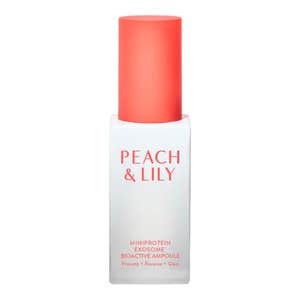
Hydrating exosome products pair those cellular messengers with heavy-hitter moisturizers like hyaluronic acid or glycerin. The exosomes handle the deeper repair work while the hydrators lock moisture into your skin. The result is that plump, dewy look everyone's chasing—your skin looks fuller, bouncier, less tired. These formulas come in all price ranges, and they work for pretty much any skin type, though they're especially great if you're dealing with dryness or dullness. They layer beautifully under makeup, and you can use them morning or night. Some people even mix them with a couple drops of facial oil for an extra moisture boost.
Barrier Repair Exosomes for Sensitive Skin
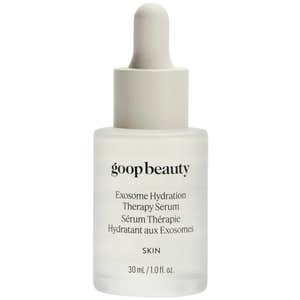
Barrier repair exosomes are a lifesaver if your skin freaks out easily. These formulas combine exosomes with ingredients like ceramides, peptides, or ectoin—all designed to calm redness, strengthen your skin's defenses, and stop that constant cycle of irritation. Most of these use plant-derived exosomes because they're gentler than human-derived versions. Fragrance-free formulas are your best bet if your skin is truly reactive. What's wild is how fast they work—a lot of people notice their skin feels calmer and less angry after just one night. Use these when you've gone too hard with exfoliating acids, when the weather is wrecking your skin, or after any kind of professional treatment. Apply them as a treatment step right after cleansing, either every night or anytime your skin is throwing a fit.
Exosomes for Neck & Décolleté Aging
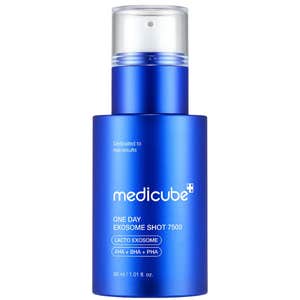
Your neck and chest age differently than your face. The skin there is thinner, you have fewer oil glands keeping things plump, and if you're someone who looks down at your phone a lot (so, everyone), you're dealing with "tech neck" creases on top of regular aging. Exosome products made for this area usually come in richer textures—creams or balms instead of lightweight serums—because that skin needs more moisture and the formulas have to stick around instead of sliding off. Apply them with upward strokes from your chest up to your jawline, morning and night, right after you finish your face routine.
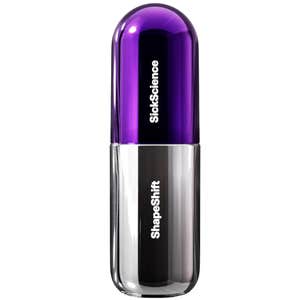
Exosomes for Hair Growth and Scalp Health
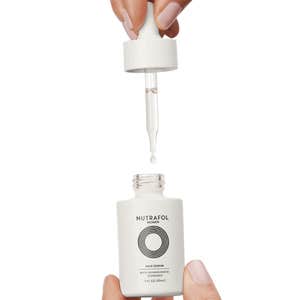
Exosomes for hair work the same way they do on your face—they deliver growth factors, but this time to your hair follicles instead of skin cells. You apply these to your scalp, not your actual hair. They're not going to give you a full head of hair overnight, but over several months of consistent use, some reviewers notice less shedding and healthier, fuller-looking hair. The big thing to understand is the timeline: this isn't an instant fix. You're looking at months before you see a real difference. Scalp serum formulas can be plant-based and gentle, others are more clinical-grade and potent. We think they work best for general thinning, post-pregnancy hair weirdness, or just maintaining a healthy scalp as you get older.
Body Exosomes for Hands & Beyond
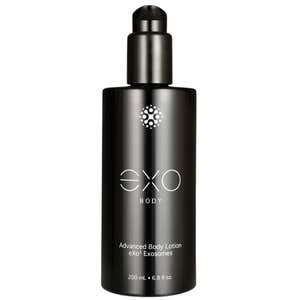
Your body ages too, but it doesn't get nearly as much attention as your face. Your hands show sun damage and volume loss. Your arms lose firmness. Body exosome products tackle these issues with the same regenerative ingredients face products use, but the formulas are usually richer—think creams or lotions instead of body serums—because body skin is thicker and needs more moisture. The benefits are the same: better texture, reduced appearance of sun damage, improved firmness, basically everything you want from a face product, just for your body.
Are Exosomes in Skincare Safe?
The safety question is tricky. Here's the deal: the FDA hasn't approved any exosome products for cosmetic use. But before you panic, cosmetic products don't actually need FDA approval to be sold (only prescription drugs and certain additives do). Brands still have to follow safety regulations, but there's no official stamp of approval on exosome serums.
For most people, topical exosome products are safe. All skin types, all skin tones—there aren't a ton of restrictions. The biggest risk is buying a poorly made product that doesn't store the exosomes correctly (they need specific conditions to stay effective—cool, dark, sometimes refrigerated).
If you're pregnant or breastfeeding, skip exosomes for now. There isn't enough research yet to confirm they're totally safe during pregnancy, so it's smarter to wait until after.
It's important to buy from brands that are transparent about where their exosomes come from. If a brand is being vague about their sourcing, that's a red flag.
Are There Downsides to Using Exosomes?
Yeah, a few. They can be crazy expensive, especially the human-derived ones. The lack of regulation means you're kind of flying blind unless you do your homework. And despite what some brands want you to believe, exosomes aren't a miracle cure that replaces retinol or sunscreen. They're an add-on to a solid routine, not a shortcut.
Exosomes vs. Other Skincare Ingredients
If you already have a skincare routine that's working, you're probably wondering where exosomes fit in. Can they replace your retinol? Should you ditch your peptide serum? The answer is no—exosomes work *with* other ingredients, not instead of them.
Retinol
Retinol is the MVP of anti-aging. It speeds up how fast your skin sheds old cells, fades dark spots, and gets collagen production moving. The problem? It can be harsh, especially when you first start using it. Exosomes might actually help your skin handle retinol products better by keeping your barrier strong and reducing irritation.
Peptides
Peptides are like little messengers that tell your skin to make more collagen. They work well with exosomes because they're coming at the collagen problem from slightly different angles. Peptides send the message, exosomes make sure that message gets heard loud and clear.
Ceramides
Ceramides fix your skin barrier from the outside in—they're like patching up cracks in a wall. Exosomes work deeper, helping your skin rebuild itself from the inside out. Using both gives you comprehensive barrier support: surface protection plus deeper repair.
Niacinamide
Niacinamide is the ultimate multi-tasker: it brightens, strengthens your barrier, controls oil, and plays nice with basically everything. You can layer it with exosomes without worrying about conflicts.
What Should You Not Mix With Exosomes?
Honestly, exosomes get along with most ingredients. If you're layering them with strong stuff like retinol or acids, just ease into it so your skin can adjust.
The main thing to remember: don't throw out your old skincare routine. Use exosome products as an upgrade to what you're already doing, not a replacement for the basics.
Are Exosomes in Skincare Worth It?
So are exosomes worth the hype? The short answer is yes, but with caveats. The science behind them is real—they do boost collagen, support barrier function, and help with cellular repair. But they're not miracle workers, and the research is still in pretty early stages compared to ingredients like retinol that have decades of data backing them up.
If you're curious, start with an affordable plant-based option to see how your skin reacts. Go in with realistic expectations, and you might be pleasantly surprised.
Bottom line: exosomes are a legitimate addition to skincare, not a replacement for the tried and true skincare fundamentals you’re already using.
Authors
Brittany Brainard is an editor and writer at Rank and Style who brings a sharp eye, a science brain, and a love for stylish content to the table. With degrees from Misericordia University and SUNY Broome, she blends her background in health science and quality product management to create content that’s as smart as it is on-trend. She’s also seriously into navy blue floral dresses (her closet can confirm), and when she’s not editing, you’ll find her wrangling DIY projects, going on family adventures, or horseback riding on her family’s hobby farm.










.png?width=343&quality=65)