How Social Media Changed the Way We Get Dressed
Social Media Did Not Just Influence Trends. It Quietly Turned Everyday Outfits Into Something We Evaluate, Document, and Perform, Even When No One Is Watching.
-
Getting dressed used to be a small, private ritual. You checked the weather and pulled on what felt right in colors that look good on you. Most outfits were seen by a few coworkers or friends and then forgotten. Repeating the same sweater three times a week was normal. No one kept track, no one needed to.
Today, even if you never post a single photo, getting dressed rarely feels invisible. Before you open your closet, you’ve already seen dozens of outfits. Whether it’s a quick scroll through TikTok, a “get ready with me” video, a Pinterest board, or a few mirror selfies in the group chat. Inspiration arrives constantly, and so does comparison.
The shift has been subtle but persistent. And it has altered how many of us think about what getting dressed is for. It’s no longer just about comfort, self-expression or practicality, but also presentation.
From Routine to Audience
For years, style developed locally. You borrowed ideas from friends, coworkers, or someone on the subway whose jacket you liked. Trends moved slowly because exposure was limited. Your wardrobe only needed to work within your real life. Now, the audience feels bigger, even if it’s invisible.
Any moment can become a photo. Any outfit can be archived. Even a quick coffee run carries the quiet possibility of documentation. You may not plan to post, but the awareness is there. That awareness changes our behavior: we smooth our shirts, swap sneakers for boots, add another layer to make the outfit feel finished. Small adjustments that add up over time.
Stylist Allison Bornstein has built a following around helping people reconnect with their personal style rather than chasing trends. “Mostly it’s just being intentional and smart about what you’re buying, and only buying things that you love,” Bornstein said in an interview with British Vogue. It’s straightforward advice, but it is also increasingly difficult when we are exposed to hundreds of new outfits every week.
We Now See More Outfits in a Day Than We Used to See in a Season
The biggest difference is volume. Ten minutes online can mean seeing twenty or thirty fully styled looks. Closet tours, hauls, trend breakdowns, daily outfit videos. Exposure that once took months now happens before breakfast.
That constant input quietly recalibrates expectations. A white tee and jeans, which used to feel complete, can suddenly feel unfinished simply because you have just watched ten highly styled outfits in a row. And yet, the pieces people rely on most have not changed.
There is a reason our guides to the best white T-shirts and best straight-leg pants continue to perform year after year. These pieces are not dramatic. They’re dependable and they work on repeat. Social media rewards novelty. Real life rewards reliability.
When Outfits Became Content
Social media platforms have also blurred the line between getting dressed and producing content. Creators like Alix Earle turned “get ready with me” videos into a daily ritual for millions of viewers. The act of choosing an outfit becomes the story itself. Clothing is no longer just worn, it’s narrated, filmed, and shared.
At the same time, tools like LIKEtoKNOW.it and ShopMy have made those outfits instantly shoppable. A mirror selfie can double as a storefront. Style becomes commerce almost automatically. When clothing is tied to visibility and income, constant newness makes sense. For everyone else, that same cycle can create quiet pressure to keep up.
Social media has also expanded who we see in fashion. More sizes, age ranges, and body types are being shown. Styling advice is more accessible. You can learn how something fits before you buy it.
Body positive content creator Remi Bader built a large audience by highlighting brands that are making space for diverse bodies through her “realistic” shopping hauls on TikTok, especially during moments like New York Fashion Week. Instead of focusing energy on criticizing every brand that falls short of size inclusivity, she explained in an interview with PEOPLE that she prefers to spotlight those that are actively trying to be.
“I want to be helping this world and trying to make a difference,” Bader said. She celebrates designers and labels that put in effort to include more sizes on her platform rather than spending time on negativity.
This kind of perspective adds nuance to the way consumers think about shopping and style. Representation matters in fashion, and seeing it front and center online helps people make choices that feel grounded in real life rather than endless aspiration. Inspiration is not the problem. Overconsumption is.
Dressing for the Camera Without Realizing It
Even people who rarely post often evaluate outfits through an imagined lens.
- Will this photograph well?
- Does this look intentional?
- Is this too plain?
You can see this reflected in celebrity street style. Model Bella Hadid regularly sports off-duty looks that feel effortless but composed, as shown by several of her pieces worn on a recent trip to Aspen with friends. Entrepreneur and influencer Kylie Jenner posts polished everyday outfits that reach millions of people in minutes and are as simple as “jeans and a nice top,” according to British Vogue.
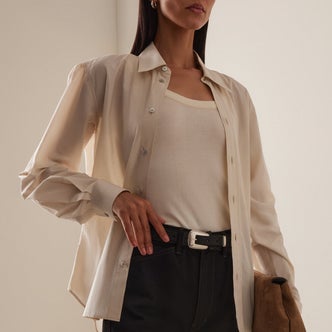
These looks are not necessarily complex. They are clear and structured. Easy to read in photos. That clarity explains why crisp staples like white button-down shirts, tailored black work pants, and minimal white sneakers continue to resonate. They’re basics, but not crutches. They anchor a wardrobe and make styling easier, both on camera and off.
How Fast Fashion Learned to Keep Up
Brands have adapted to this speed too. When an influencer posts a look, fast fashion retailers often replicate it within weeks. The goal is immediacy. Get the look quickly, post it and then move on.
This idea keeps prices low and trends accessible, but it also encourages short-term thinking. Many of these pieces are not built to last. They serve a moment and not a wardrobe.More options do not necessarily make getting dressed easier. Often they create clutter and decision fatigue, which is exactly what thoughtful shopping is meant to avoid.
The Quiet Pressure to Never Repeat
In real life, repeating outfits is a sign something works. If you reach for the same sweater every week, it has earned its place as one of your most loved items.
Online, repetition can feel more noticeable. Your feed becomes an archive. You can scroll back and see exactly what you wore last month.That visibility creates subtle pressure to rotate constantly. Time for a new top or a new silhouette. Another purchase.
But the pieces that truly earn their keep tend to be the ones you repeat. A soft cashmere sweater. A durable everyday bag. Jeans that fit well every time. Longevity is what signals value, not novelty.
The Case for Dressing With Intention
If the social media scroll has changed the way we see clothes, intention is what brings things back into focus.
Capsule wardrobes, repeatable outfits, and fewer but better purchases create stability when trends move quickly in an age of social media popularity. Resources like Rank and Style’s guides to how to build a capsule wardrobe or a focused spring capsule wardrobe are less about restriction and more about clarity.
The goal is not to own less. It’s to choose well and, most importantly, go with your gut.
- Would you wear this if no one saw it online?
- Does it fit your actual day?
- Will you reach for it again next month?
If the answer to these questions is yes, it’s probably worth it. Even in a digital world, getting dressed is still personal. Social media changed the context but not the goal. Clothes that feel like you hold up over time and make your day easier. Everything else is just noise.
All products and deals are sourced by the Rank & Style team using data and expert insights. If you shop through our links, we may earn a commission—at no extra cost to you.
Authors

Nadgeena Jerome is a multimedia journalist, digital content producer, and fashion and lifestyle contributor with almost ten years of experience covering beauty, style, wellness, and culture. She has written for outlets including The U.S. Sun, Bella M
Written By:
Nadgeena Jerome


At Rank & Style, we value a wide range of voices. This guest piece was produced with our editorial guidance to share Nadgeena Jerome’s independent perspective on the topic.
Authors
Nadgeena Jerome is a multimedia journalist, digital content producer, and fashion and lifestyle contributor with almost ten years of experience covering beauty, style, wellness, and culture. She has written for outlets including The U.S. Sun, Bella M






.png)