The Skincare Routine Edit: What You Actually Need
Learn What Really Matters in a Skincare Routine Versus What’s a Bunch of Noise
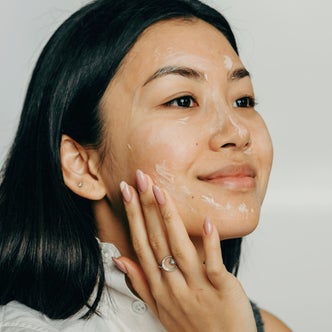
Polina via Pexels
Our skin is a deeply personal organ. It’s hard to hide any imperfection in comparison to say, your kidney or your heart. It’s right out there for everyone to see. So when there’s a blemish, it feels especially vulnerable. Trust me, as someone who’s dealt with adult acne, hives, redness, and debilitating eczema that’s come in so many textures, colors, and areas of my body that I’ve lost count and led me to cry in the dermatologist clinic. I get it!
That’s where skincare steps in. Skincare can serve as a superpower, working overtime to improve our most delicate features. Cleanse, exfoliate, tone, protect against UV rays, add glow, remove shininess, you name it. The right products and order of operations is crucial, but that’s easier said than done.
Let’s face it: skincare can be overwhelming. There are endless trendy products and buzz words (what exactly is red light therapy?) out there. Understanding how to create a simple but effective routine can be daunting, especially when you don’t know where to start or who to trust with your outermost layer.
No need to stress, though. I’m here to break it down for you with science-backed research and insights from Uma Daya, PA-C. Board-Certified Physician Assistant and Advanced Aesthetic Injector.
(Image courtesy of Polina via Pexels)
Skincare from (Mostly) Within
External products like serums and moisturizers can make a serious change in how your skin looks, but starting with your health is a good place to begin, as a rule of thumb. These might seem obvious, but even skimping on one can set off a domino effect.
Diet
What we put in our bodies is the first step to so many health issues. For our skin, getting the right vitamins, minerals, and healthy fats can make an impact on how our skin looks (and feels). While a balanced diet is important for your entire body, there are a few key nutrients for your best glowing skin to pay attention to.
Vitamin C is a common ingredient for youthful-looking skin thanks to its collagen production, while vitamin E supports cell function. Zinc has anti-inflammatory and skin-healing properties. Omega-3 fatty acids can support the skin barrier and prevent acne and reduce signs of aging. Antioxidants protect our skin from harmful free radicals that can cause cell damage, premature aging, and inflammation.
Hydration
A simple step to keeping your skin barrier healthy is by keeping it hydrated. The amount of water in your skin affects if it feels dull, tight, dry, or dehydrated. Drinking more water might seem like an obvious solution, but there are a few other ways to add more hydration into your lifestyle. Eating water-rich foods, using a humidifier, avoiding long, hot showers, and keeping your stress levels low are also important.
Sun Protection
Keeping your skin out of the sun might be your best friend when it comes to your skincare routine. While vitamin D is important to our health, harmful UV rays can cause damage to our skin, eyes, and immune system (not to mention, cause cancer). Even if you don’t see it, the rays penetrate deep into our bodies and can cause wrinkles and sun spots.
Being sure to apply sunscreen with at least 30 SPF, wearing protective clothing and hats, and seeking shade during peak hours when the sun’s rays are the strongest can all keep your skin safe.
The Big Three Product Guide
Now that we’ve covered internal health that can help your skin, let’s turn to the external products. Nailing a solid routine requires a few essential products and ingredients. “The key is not having more products, but choosing the right ones and using them consistently,” says Daya.
Once you have these products down, you can start looking into additional serums, creams, treatments, and prescriptions to address specific concerns. Or keep it easy with these three. Either way, be sure to start slowly.
Before you start filling your cart at Ulta, keep this in mind: “I always tell patients to start slowly,” Daya says. “When you introduce too many products at once, your skin can react and then you don’t know what caused it. I also see a lot of breakouts simply from people doing too much. It’s much better to start with a few core products, see how your skin responds, and build from there. You don’t need a 10-step routine to get great results.”
A simple, effective skincare routine starts with the following core steps, in this order of application:
Step 1: Cleanser
A gentle cleanser is the first step to any skin lineup. Washing your face before bed is crucial to get off all the dirt, makeup, and sweat from the day. When you hit the hay, your skin works hard to repair itself, and going to sleep covered in grime can negate that process.
If you deal with dry skin, wanting to skip this step is understandable to avoid stripping even more of its natural barrier. Consider adding a moisturizing cleanser without fragrance or sulfates to get the toxins out without losing that hydration it needs. Those with more oily and acne-prone skin should opt for foaming cleansers.
Step 2: Moisturizer
Hydration goes beyond drinking enough water. Keeping your skin looking youthful starts with a good moisturizer. Healthy skin needs this step, as it helps repair the skin barrier and protects against environmental stressors.
If you’re not sure where to start, the standard is to go for an oil-free, fragrance-free moisturizer. Beyond that, finding the right product is a process that depends on an array of questions like what’s your skin type, concern(s), and desired results? Common ingredients you might see include hyaluronic acid, ceramides, and vitamin c.
Similar to cleansing with dry skin, those with oily skin might feel the urge to skip moisturizing. However, that can lead to drier skin that works overtime to create more oil. Frustrating, right? Steer clear by using products that use ingredients like niacinamide and salicylic acid.
Step 3: SPF
According to Daya, sunscreen is non-negotiable. “Every single day, even if you’re indoors, even if it’s cloudy or raining,” she says.
Though you can get this as a sunscreen powder, cream, or lotion, another important decision to make while finding the right SPF is mineral or chemical. Both types can protect your skin from sun damage and skin cancer, but they have plenty of differences. The main ingredients in mineral sunscreens are zinc oxide and titanium dioxide, and are deemed generally safe. They’re also considered effective by the FDA because they create a barrier between your skin and UV rays. They also tend to be less irritating, a positive for those with sensitive skin.
Chemical sunscreens on the other hand absorb UV rays and transform them into heat. Several chemical formulas dry without a white cast, but some chemical filters can cause irritation to sensitive and acne-prone skin types.
Ingredients vs. Marketing Lingo
Another confusing part about the skincare world is the vast difference in prices for what looks like the same product. It doesn’t help when you see the word “dupe” all over the internet. Does this Trader Joe’s product really work the exact same as a Laneige version for a quarter of the price?
Knowing how to evaluate skincare ingredients can make a big difference in how products work for you, and how much you might spend on it. Take The Ordinary for example. The skincare brand is known (and loved) for its clear, simple ingredients and low cost. Every dermatologist I’ve seen has recommended CeraVe for my dry, eczema-prone skin because of its effectiveness on the condition.
A common misconception that consumers fall for is an ingredient plastered all over the product, only to make up a tiny percentage of the total formula. It’s helpful to know that ingredients are listed in descending order of concentration. So, the first few ingredients make up the bulk of the formula. Look for active ingredients near the top. It’s also helpful to understand that ingredients used in concentrations under one percent can be listed in any order.
Focusing on the list of ingredients and how much of that ingredient exists helps you understand science over flashy marketing. Remember, your skin responds to science, not trends.
Is My Product Actually Working?
Everyone and their mother is talking about the latest skincare trend, raving about its properties, and swearing it healed them, just for you to find the opposite. Who hasn’t been there? Lathering on the newest serum with that ingredient you can’t pronounce just to see no difference whatsoever.
Understand the Label
Keeping a close eye on the ingredient list and knowing your skin type is essential to know what works for you. Not only can it save you a few extra dollars, but it can make or break your skin. For example, if you tend to have sensitive skin, ingredients like fragrance and alcohol can cause more harm. Oily skin? Stay away from mineral and coconut oil.
Understand the Product
Be sure to do your research before adding a product to your cart after seeing everyone on TikTok raving about it, too. When do you apply? How do you apply? Do other products counteract or work with its properties? And of course, be patient. “A lot of these products are working on a cellular level, so it takes time to see real change,” says Daya.
“Consistency, consistency, consistency. That’s what makes the biggest difference,” says Daya. “There really is no such thing as a quick fix when it comes to your skin. I always remind patients that prevention is so much easier than trying to correct things later.”
All products and deals are sourced by the Rank & Style team using data and expert insights. If you shop through our links, we may earn a commission—at no extra cost to you.
Authors

Tara Larson is a freelance writer and editor with expertise in covering men’s and women’s style, streetwear, footwear, beauty, culture, and lifestyle. Outside of Rank & Style, her work can be found in publications like WWD, Stylecaster, Business Insi
Written By:
Tara Larson


Authors
Tara Larson is a freelance writer and editor with expertise in covering men’s and women’s style, streetwear, footwear, beauty, culture, and lifestyle. Outside of Rank & Style, her work can be found in publications like WWD, Stylecaster, Business Insi








.png)